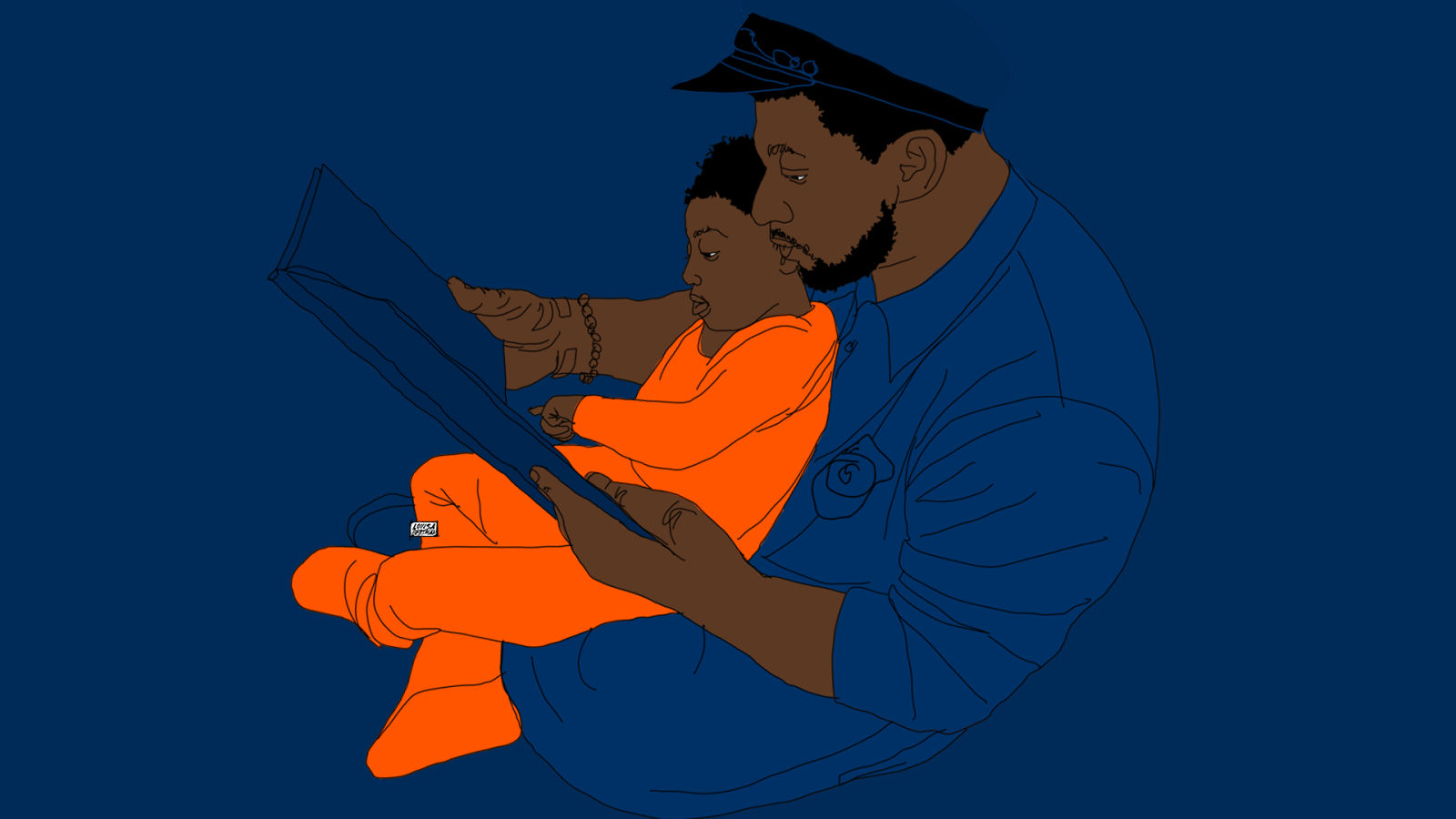
As recently as 2005, the state of Virginia had eight centers like Bon Air Juvenile Correctional Facility, housing more than 1,300 delinquent youth. But by 2017, after a series of reforms, that number had shrunk to one.
The Michigan Juvenile Detention Association will continue to be a national leader in promoting and sustaining of exemplary juvenile detention, residential treatment, and community based services for youth and their families.
The Michigan Juvenile Detention Association is committed to the highest standard of professional ethics, overall excellence in the care and custody of youth, and the provision of services to their families.
As recently as 2005, the state of Virginia had eight centers like Bon Air Juvenile Correctional Facility, housing more than 1,300 delinquent youth. But by 2017, after a series of reforms, that number had shrunk to one.
The state can be held liable for teens raped in Michigan prisons, after the Michigan Court of Appeals ruled a state law that halted civil rights at the prison gate was unconstitutional.
In a 2-1 decision released Tuesday, a Court of Appeals panel threw out a 1999 law that said the state’s civil rights law, the Elliott Larson Civil Rights Act, doesn’t apply to prisoners.
...Put another way, in 2014, 3.1 percent of 18- to 23-year-olds in the Netherlands were tried as juveniles, while 2.1 percent of 16 and 17-year-olds were tried as adults. By 2016, only .2 percent of 16 and 17-year-olds were tried as adults while 4.7 percent of 18 to 23-year-olds were tried as juveniles.
Much of the legislative action is a response to Fight Club, published by the Times/Herald last year. The six-part series examined pervasive violence within juvenile lockups and residential programs — some of it instigated by workers and rewarded with treats — widespread sexual misconduct, medical neglect and lax personnel practices that encouraged the hiring of unqualified workers with unsavory pasts.
Prisons are factories of abuse and violence in this country, says Norris, and we must fundamentally rethink how and why we use them. “Our hope is to bring in a whole new status quo—which means, not ‘alternative,’ which means a new main thing,” he says. “And I think that main thing should be centers of opportunity and restorative justice.”
SEATTLE - For more than seven hours Monday protesters opposed to King County’s new juvenile courthouse and jail chained themselves together outside the construction site and blocked the heavy equipment from coming and going.
They yelled, chanted and held up signs. It marked the second time in weeks that protesters have blocked traffic in an effort to stop the nearly $200 million facility from being built. The protest is in its sixth year.
Alabama lawmakers are one step closer to overhauling the state’s juvenile justice system after the House passed a bill aimed at keeping low-level offenders out of detention. Thursday’s vote was 69-20 after more than three hours of heated debate and multiple amendments.
In 2005 the United States became the last country to end the death penalty for offenders under 18 years old. Adolescent neuroscience research played a huge part in changing this policy. However, there are still approximately 2,500 prison inmates in the United States serving life sentences without the possibility of parole for crimes they committed before they were 18.
The United States locks up more people than any country in the world. That starts young: Roughly a million kids a year get caught up in the criminal justice system. In Caught, a new podcast from WNYC, we'll listen as some of those young people tell their stories over nine episodes. They'll help us understand how we got here--and how we might help, rather than just punish troubled youth. Welcome to Caught: The Lives of Juvenile Justice.
School district leaders in two Eastern North Carolina counties are partnering with local law enforcement to keep students who commit low-level offenses out of court.
Today, George M. Rush Stadium on the San Francisco City College campus is the scene of nothing more violent than football games. But during the 19th century, one of the grimmest institutions in the city’s history stood near here — the Industrial School.
America incarcerates more juveniles than any country in the world.
In 2015, black children were five times more likely than white children to be incarcerated. So while 86 of 100,000 white children in the United States were behind bars, 433 of 100,000 black children found themselves locked up. To understand how we got here, let’s first examine the evolution of the juvenile justice system.
In partnership with WNYC, The Root presents Caught. Check out the #CaughtPodcast, and see the first of our three-part video series above.
Costly residential facilities are being replaced with effective community-based programs
Through the Handle With Care program, which launched at the beginning of February, police officers can send notices to schools when children are exposed to a traumatic incident. The hope is to make teachers and staff more cognizant that a student may need additional or different support than usual.
Children entrenched in Arkansas' juvenile probation system often find themselves without needed help because of overworked officers and judges who won't change the way they handle cases.
A Jan. 8 riot at the Juvenile Detention Center - coupled with a rise in violent crimes involving juveniles - has reignited calls for reform from O'Malley and city council members. The Cuyahoga County Juvenile Court's administrative judge said she would be open to a process to allow dangerous inmates to be held in a separate wing at the adult Cuyahoga County Jail. But that would require a change in state law, and advocates argue it would run counter to the juvenile court's core mission of rehabilitating young offenders.
O'Malley pointed to the Montgomery County Juvenile Court's Intervention Center as a possible inspiration for criminal justice reform in Cuyahoga County. The Intervention Center assesses young offenders in the hours after an arrest to determine if there are any underlying issues -- such mental health or behavioral issues, or problems at home or at school -- that could be addressed through specialized services.
Symon Gooding had been on the fast track at the Department of Juvenile Justice, having been promoted twice in as many years. With her bachelor’s degree in criminal justice — and credits toward a master’s in public administration — she seemed precisely the type of person administrators were looking for. They called her an agency “treasure.”
But in her upward climb in law enforcement, Gooding applied for a higher-paying job at the Miami Gardens Police Department that required a polygraph test.
In 2012, Michigan Governor Rick Snyder introduced his initial vision for restructuring the state's juvenile justice system. Three years later, he offered more detail, embracing effective assessment and treatment and, for most youth, diversion programs.
And since then?
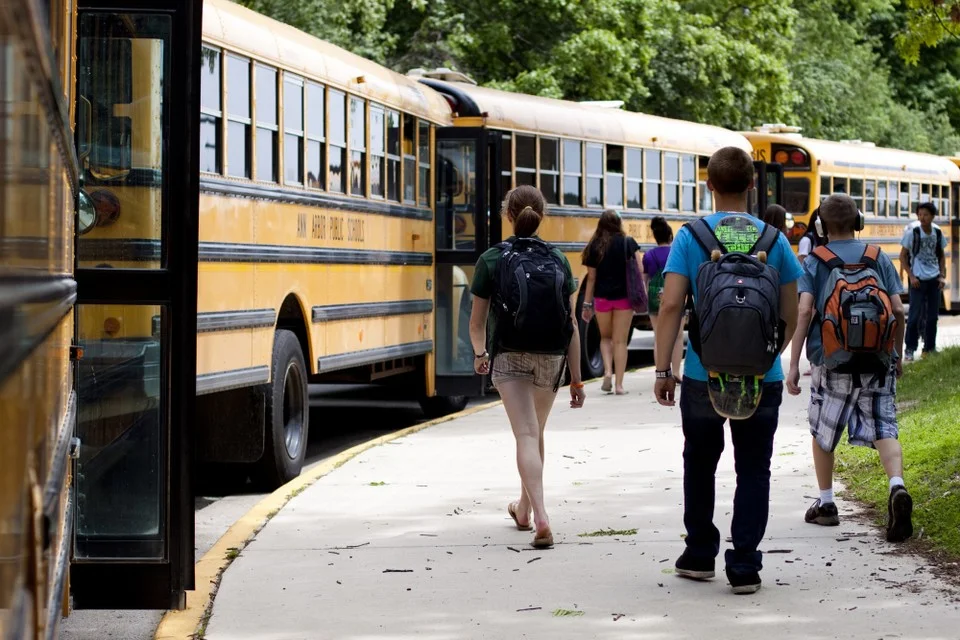
A significant spike in juvenile crime from 3 p.m. to 7 p.m. on school days has led to a push by the state’s juvenile justice agency to shift school start and finish times.
Dozens of juveniles were charged last year in Chicago for allegedly pointing guns at motorists and stealing their cars, but most were not detained longer than 24 hours, according to court records obtained by the Sun-Times.